Prairie & Native Restoration
Restoration project design, native planting plans, pollinator habitats, and long-term ecological management for Minnesota landscapes.
Get a Free QuoteRestore Minnesota's Native Landscapes
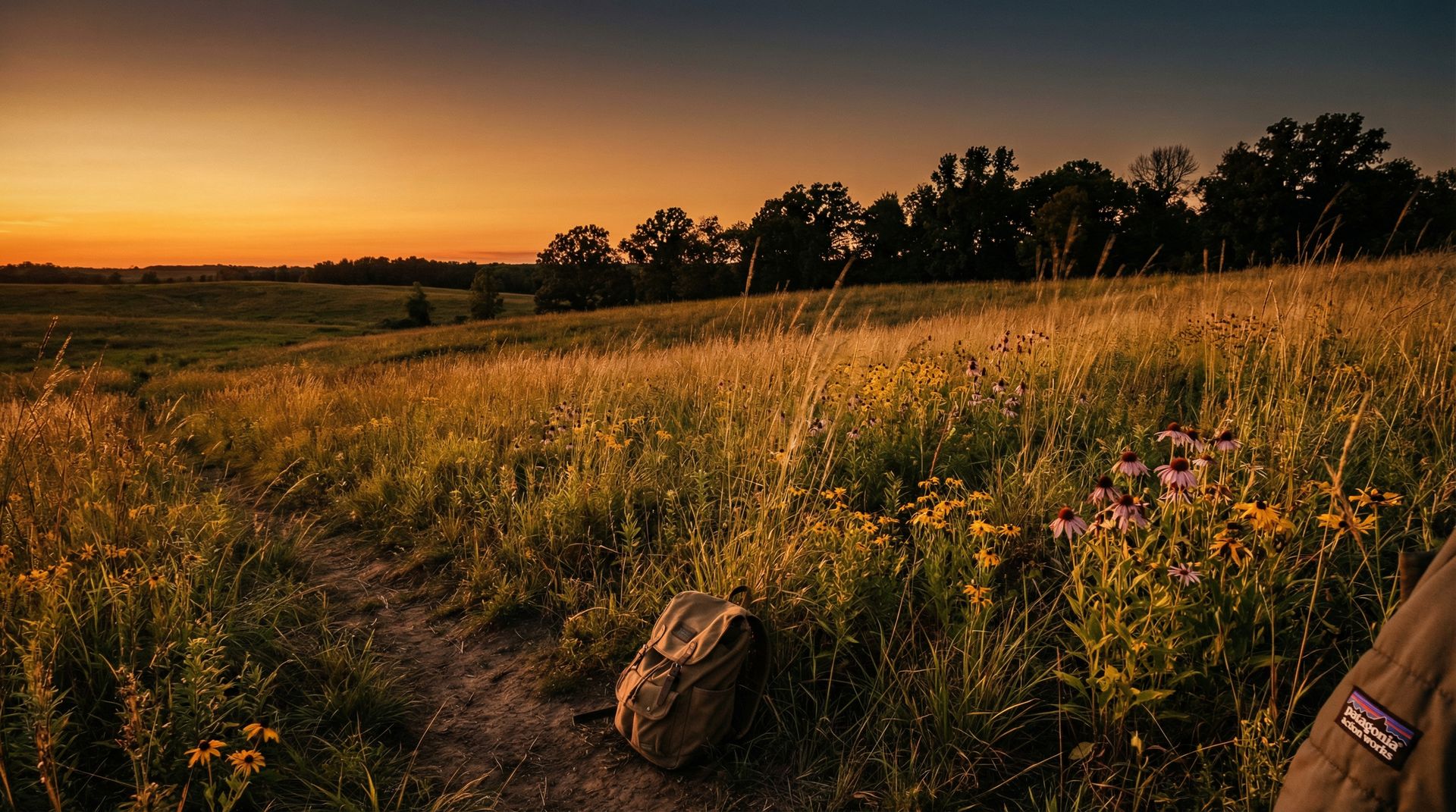
Less than 2% of Minnesota's original tallgrass prairie remains. The native landscapes that once defined our state have been lost to agriculture, development, and invasive species. But restoration is possible, and it starts with expert planning and execution.
Timber & Native provides comprehensive prairie and native landscape restoration consulting. From initial site assessment through long-term management, we design and oversee restoration projects that bring native plant communities back to life. Whether you are a homeowner looking to convert lawn to prairie, a municipality restoring public land, or a solar developer needing pollinator-friendly ground cover, we have the expertise to make it happen.
Our Restoration Services
Restoration Project Design
Comprehensive project planning including site analysis, species selection, seeding rates, planting schedules, and budget development. We design projects that are ecologically sound and practically achievable.
Native Planting Plans
Custom seed mixes and planting plans tailored to your site's soil type, moisture conditions, sun exposure, and restoration goals. We select species that are native to Central Minnesota and the Twin Cities region.
Site Preparation
Proper site prep is critical to restoration success. We oversee invasive species removal, soil preparation, and any necessary grading or drainage work before planting begins.
Pollinator Habitat Design
Specialized planting designs that support native pollinators including bees, butterflies, and other beneficial insects. We create habitats that provide bloom throughout the growing season.
Solar-Array Plantings
Native vegetation installation under and around solar arrays. Our plantings reduce maintenance, prevent erosion, support pollinators, and can qualify for pollinator-friendly solar certifications.
Long-Term Management
Ongoing management oversight including prescribed burn planning, mowing schedules, invasive species monitoring, and adaptive management to ensure long-term restoration success.
Start Your Restoration Project
Contact us for a free consultation on your prairie or native landscape restoration project.
Start Your ProjectFrequently Asked Questions
How long does a prairie restoration take?
A typical prairie restoration takes three to five years to fully establish. The first year focuses on site preparation and seeding. Years two and three involve weed management and monitoring as native plants establish root systems. By years three to five, the prairie should be largely self-sustaining with annual management.
What is the best time of year to start a prairie restoration?
Fall and early winter are ideal for dormant seeding of native prairie species, as the cold stratification period improves germination rates. Spring seedings can also be successful. Site preparation (invasive species removal, soil prep) should begin the season before seeding.
Can you create a pollinator habitat on my property?
Yes. We design and install pollinator habitats using native wildflower and grass species that support bees, butterflies, and other pollinators throughout the growing season. These habitats can be incorporated into residential landscapes, commercial properties, and agricultural settings.
What about solar array vegetation management?
We design and install native vegetation plantings under and around solar arrays. Native plantings reduce maintenance costs, prevent erosion, support pollinators, and can qualify for pollinator-friendly solar certifications. We handle everything from site prep to long-term management.
Do you work with conservation programs like CRP or BWSR?
Yes. We can help landowners design and implement plantings that meet the requirements of the Conservation Reserve Program (CRP), Board of Water and Soil Resources (BWSR) programs, and other conservation initiatives. We handle the technical aspects of planting plans and species selection.